
THE MONDAY WEBINAR SERIES:
The Shoulders
More than just a ball and socket
Shoulders Aren’t Simply Ball and Socket Joints
That’s what we were taught. It’s also one of the reasons shoulder problems are so often explained badly and why treatment fails
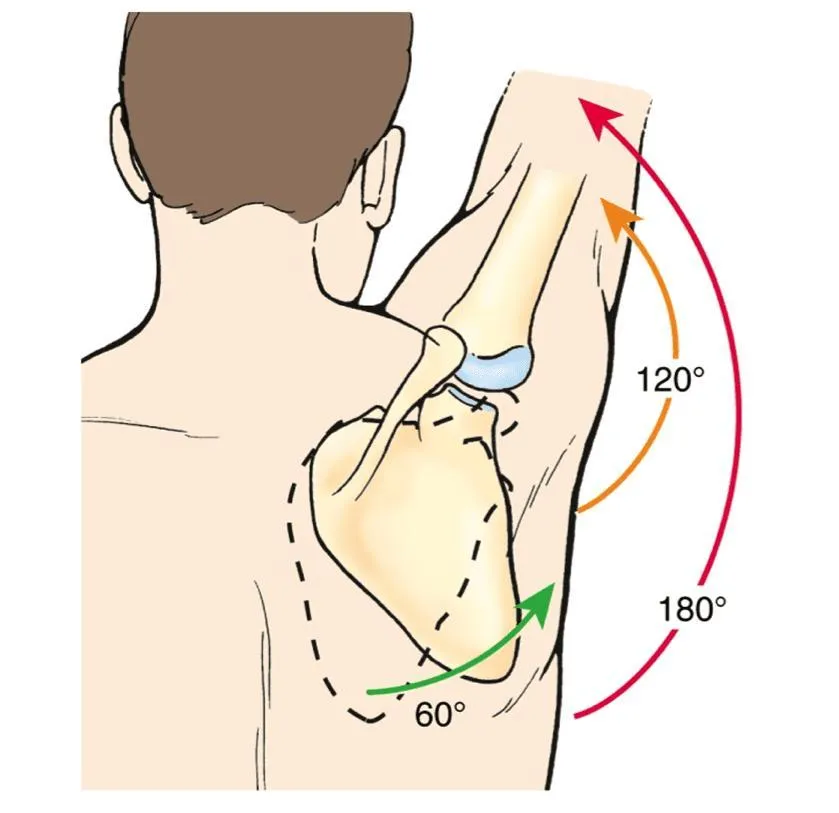
The shoulder is not one joint behaving in isolation. It is a negotiated relationship between humerus, scapula, clavicle, rib cage, load and movement strategy.
This webinar looks at why the old “ball and socket” model is too simple to be clinically useful, and what makes more sense instead.
This session draws directly from cadaveric dissection rather than idealised textbook simplifications, looking at real tissue variation and real movement relationships.
Using dissection footage, we’ll explore:
Why the shoulder cannot be understood as a single joint
Why movement depends on the whole shoulder girdle, not just the joint
Why range of motion and control are not the same thing
Why symptoms make more sense when we think in systems rather than structures
Why some treatment is doomed to failure from the start
How some muscles away from the shoulder need consideration
The phrase “ball and socket joint” is not completely wrong. It is just incomplete.
This becomes misleading...
when it encourages a neat mechanical picture that often does not match what we see in real bodies, real movement or real pain presentations.
If you’ve ever felt that shoulder explanations sound tidy but fail to explain what actually happens in practice, this webinar will give you a better framework.
Shoulders and Function
Rethinking and Old Model
For permanent access to this and previous webinars
Join the Archive Membership
£12.50
per month
ABOUT THIS WEBINAR
Shoulders Aren’t Ball and Socket Joints: A Better Way to Think About Shoulder Function
This webinar is for therapists, movement teachers and those who want a more realistic way of thinking about shoulder anatomy and function
In this webinar we'll explore;
Why “ball and socket joint” is true anatomically but misleading functionally
Why the scapula matters just as much as the humerus
Why shoulder movement is distributed across a wider system
Why stability is negotiated rather than built in
Why painful shoulders are not best understood through tissue damage
Why movement strategy, load and context matter
What real anatomy shows, that simplified diagrams leave out
Webinar Schedule
Shoulders aren't ball and socket joints
Spines negotiate rather than collapse
Previous Webinars
Fascia in the ageing body
Adhesions vs scars. What's the difference?
Fascia and Load
Pain. Systems not structures
Forward head posture. The new smoking?
Knee Pain. New thinking, better outcomes
Format & access
Recorded webinar (approx. 60 minutes)
Available instantly
Ongoing access available via the
Webinar Collection Membership
Frequently Asked Questions - FAQs
What is this shoulder webinar about?
This recorded webinar explores shoulder anatomy, shoulder pain and movement through the humerus, scapula, clavicle, rib cage, load and movement strategy rather than treating the shoulder as a simple isolated ball-and-socket joint.
Is the shoulder really a ball-and-socket joint?
The glenohumeral joint is often described as a ball-and-socket joint, but that description is incomplete. Useful shoulder function depends on the wider shoulder girdle, including the scapula, clavicle, rib cage, soft tissues, load and movement context.
Why does the scapula matter in shoulder pain?
The scapula provides a moving platform for the humerus. Shoulder movement depends on how the scapula, rib cage, clavicle and arm coordinate together, so shoulder pain is rarely just about one joint surface.
Does shoulder pain always mean tissue damage?
No. Shoulder symptoms do not always map neatly onto tissue damage. The webinar explores why pain often makes more sense when considered through load, movement behaviour, sensitivity, adaptation and the wider system.
Who is this shoulder webinar for?
This recorded webinar is for therapists, movement teachers, bodyworkers and health practitioners who want a clearer and more realistic way to think about shoulder anatomy, shoulder pain, movement and function.
ABOUT JULIAN
JULIAN BAKER BSc (Hons)
Functional Anatomist and Health Science Educator
Julian has been teaching anatomy, dissection and bodywork classes for over thirty years.
Something of a heretic within the anatomical establishment, he challenges the norms of conventional anatomical thinking and creates a new paradigm in how anatomy is taught.
His humorous, gentle and patient approach encourages application over academic knowledge and seeks to dismantle what many of us take for granted.
Julian has decades worth of experience in the therapy field and has a depth of knowledge that is second to none, ensuring that any learning experience with him is unforgettable
READ SOME REVIEWS
Don't just take our word for it...
"To 'see' the soft tissue we as therapists think we influence is a privilege. Julian Baker makes all the right connections between the 'tissue' and considerations for therapeutic intervention. Functional Anatomy is a must for all 'hands on' therapists. It is also a must for the 'hands off' body of therapists! Seeing is believing.."
"Captivating, often bizarre and incredible insights into the human body like you have never seen before. Always life changing sessions, questioning the “norm” as we are taught it and bringing new dimensions to your practise.
If you attend one of Julian's classes your working brain will be changed forever - for the better and you will only want to see more!! His humour is also legendary!!"
"I have just participated in the scar tissue dissection course. This is an incredible lesson in anatomy. Julian takes you on a journey thru a human body like you've never been before. It is amazing to see how a human body is really built, how strong, how resilient. Eye-opening and educating. Thank you.
I will be back for more."
ARE YOU READY TO BUY THIS WEBINAR?
We're excited to have you on board!
Site: www.touchmoveheal.com
Email: [email protected]

Touch Move Heal All rights reserved