THE MONDAY WEBINAR SERIES:
Adhesions vs scars. What's the difference?
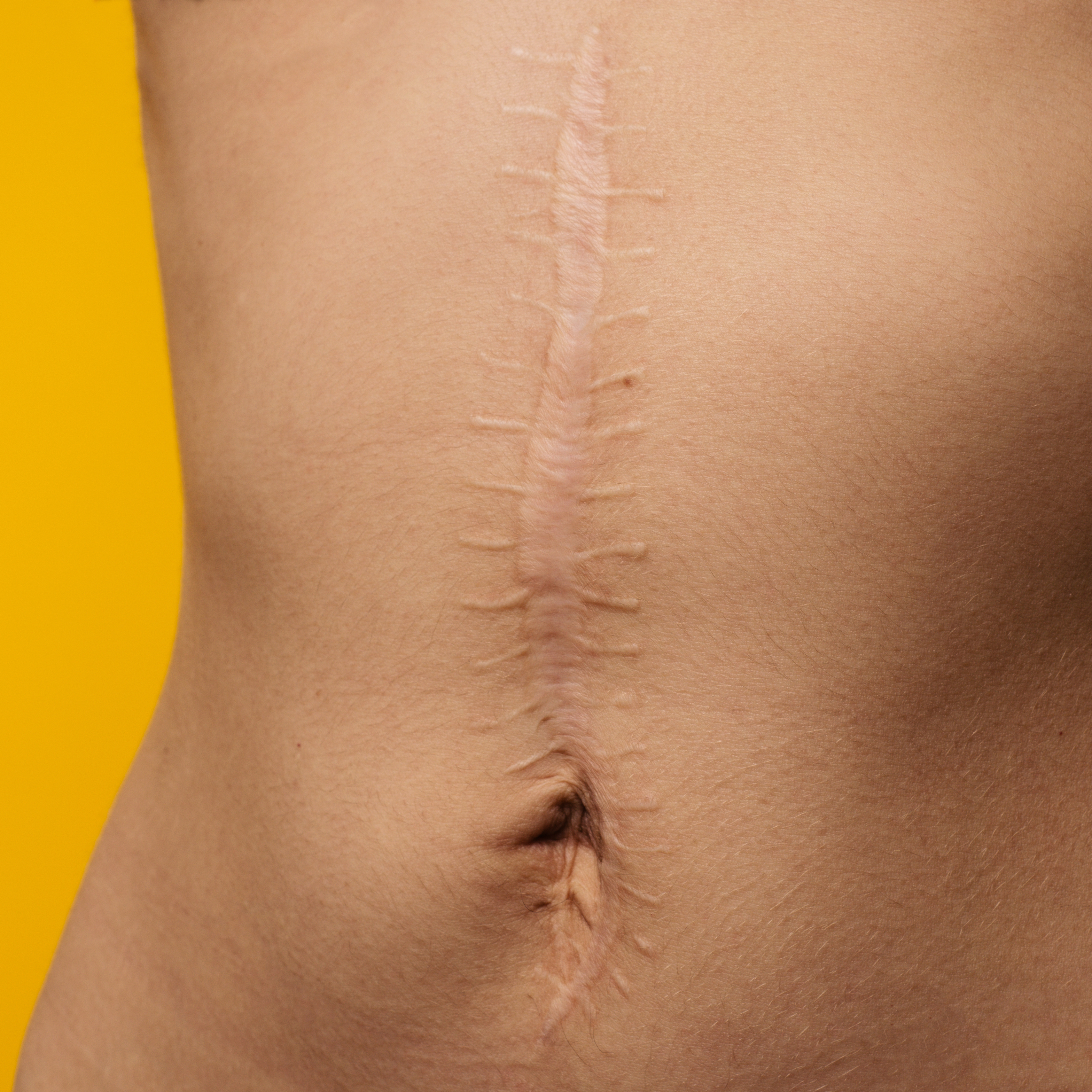
Scars and adhesions are often used interchangeably and shouldn't be.
.
Scars also tend to be seen as problems to be fixed and
adhesions as things to be “broken down.” This can sound convincing and very 'hands-on' in a therapy setting.
But when you actually look at real human tissue rather than diagrams, the story becomes far less tidy. Most scars are not the problem people think they are and most adhesions don’t behave in the way we’ve been taught.
This session draws directly from cadaveric dissection rather than.
idealised anatomy textbook simplifications, to look at
real tissue variation.
Using dissection footage, we’ll explore:
Adhesions within the thorax that don’t behave like “glue”
Visceral relationships in the bowel that challenge simple mechanical explanations
Scars that are structurally robust, integrated, and often unproblematic
The four types of scar tissue we will encounter
The language of 'Scar Tissue Release' is often very familiar. It talks of 'Stuck' tissue that needs to be 'released' or 'broken down.'
“Release the adhesions!"
But what does any of that actually mean and are we really changing tissue or doing something else entirely?
When you step into the dissection room and start following layers through the thorax, the abdomen, the bowel… what you see doesn’t quite match the narrative.
Adhesions vs scars. What's the difference?
Webinar
ABOUT THIS WEBINAR
Scars and Adhesions - What are they, what's the difference and how do they get there?
This webinar is for therapists, movement teachers, and curious practitioners who want a clearer, more realistic way of thinking about fascia and anatomy — without chasing myths or techniques that promise quick fixes.
In thiswebinar we'll explore;
What scar tissue is mechanically capable of
What manual therapy can and can’t realistically do
Why ideas of “breaking down scar tissue” doesn’t hold up
What can change and how
Inflammation and scar tissue lay down
What scars and adhesions REALLY look like
Format & access
Live online webinar (approx. 60 minutes)
14 day replay access for live attendees
Ongoing access available via the
Webinar Collection Membership
Webinar Schedule
30 March - Adhesions vs scars. What's the difference?
13 April - Fascia in the ageing body
27 April - Shoulders aren't ball and socket joints
11 May - Spines negotiate rather than collapse
Previous Webinars
Fascia and Load
Pain. Systems not structures
Forward head posture. The new smoking?
Knee Pain. New thinking, better outcomes
ABOUT JULIAN
JULIAN BAKER
Bowen and Functional Anatomy Specialist
Julian Baker teaches anatomy like no-one else, showing you what’s not in the books and making it relevant to the work you do with your clients. Julian joins up the parts of the body xxxx
His approach gives you the ability to apply your anatomy knowledge confidently and expertly within your practice, whatever that may be. We guarantee our classes will get you questioning, reflecting and inspired. It’s the CPD you’ve always wanted.

READ SOME REVIEWS
Don't just take our word for it...
"To 'see' the soft tissue we as therapists think we influence is a privilege. Julian Baker makes all the right connections between the 'tissue' and considerations for therapeutic intervention. Functional Anatomy is a must for all 'hands on' therapists. It is also a must for the 'hands off' body of therapists! Seeing is believing.."
"Captivating, often bizarre and incredible insights into the human body like you have never seen before. Always life changing sessions, questioning the “norm” as we are taught it and bringing new dimensions to your practise.
If you attend one of Julian's classes your working brain will be changed forever - for the better and you will only want to see more!! His humour is also legendary!!"
"I have just participated in the scar tissue dissection course. This is an incredible lesson in anatomy. Julian takes you on a journey thru a human body like you've never been before. It is amazing to see how a human body is really built, how strong, how resilient. Eye-opening and educating. Thank you.
I will be back for more."
ARE YOU READY TO LEARN FROM
THIS WEBINAR?
We're excited to have you on board!
Site: www.touchmoveheal.com
Email: [email protected]
Touch Move Heal All rights reserved