
Anatomy, Pain & Movement - The Webinar Library
A growing collection of webinars for manual and movement therapists, and anyone wanting to know how the body actually functions.
Myth busting, evidenced-based, no-nonsense information designed to help the working therapists sort through the often wild claims that litter the 'wellness' industry.
From fascia to the nervous system these sessions combine anatomy, dissection footage, current research and practical approaches.
No miracle techniques, no trending nonsense, just a practical understanding of the human body
Get access to the entire webinar library for £12.50 a month
Why buy one webinar when you can browse the entire collection?
For just £12.50 a month, get access to this growing archive of anatomy, pain and movement webinars, including dissection footage, research and practical insights.
New webinars are added fortnightly, and you can cancel whenever you like.
Find a Webinar
Browse by subject or find a specific webinar from the alphabetical list below
Browse by topic
Explore Individual Webinars
A passion for body work, anatomy, movement? Want reliable, unbiased information that cuts through the nonsense?
Browse the growing collection of webinars covering anatomy, pain, fascia, movement and clinical practice.
Each session is available to purchase individually, or you can access the entire collection through a monthly membership.
Pain & Nervous System

Pain: Systems, Not Structures
Pain isn't always a reliable guide to tissue damage. Discover how the nervous system, past experience, context and expectation shape pain, and why understanding these influences can change how therapists approach persistent symptoms.
£17.50
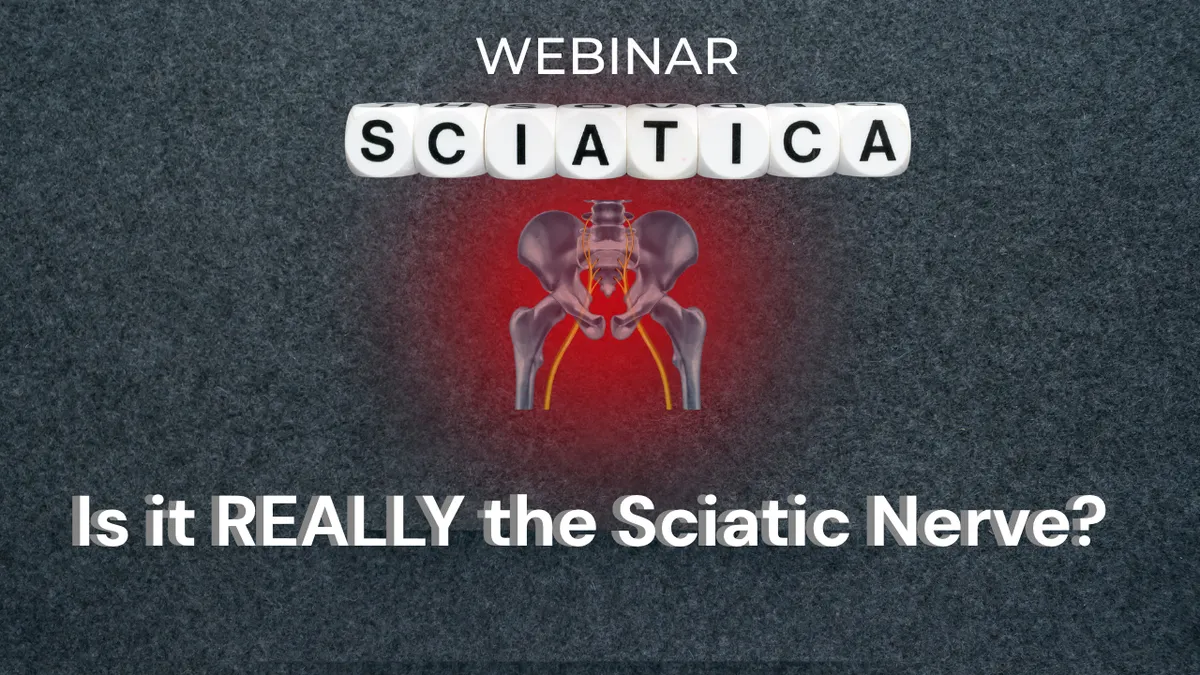
Sciatica and the Sciatic Nerve
Is sciatica always caused by a trapped nerve? We look at the anatomy of the sciatic nerve, the difference between nerve-root pain and referred pain, and why imaging findings don't always explain symptoms.
£17.50
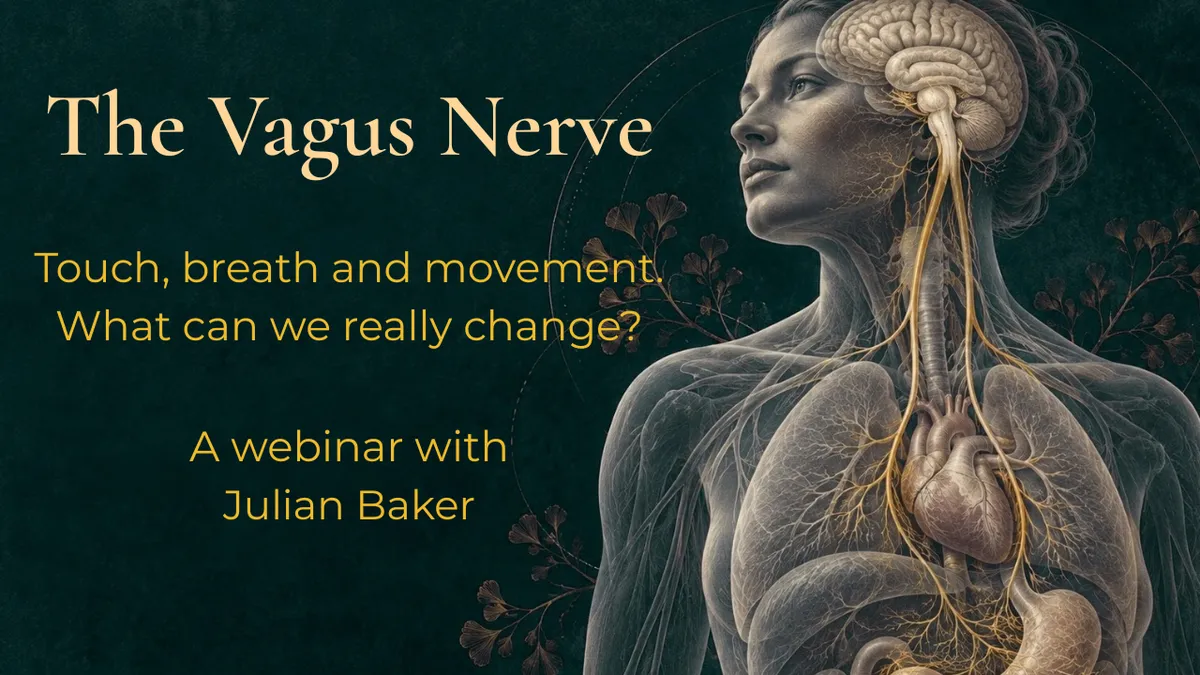
The Vagus Nerve: Anatomy, Evidence, Practice
Can you really reset your vagus nerve? Examine its pathway, its role in regulating bodily functions, and what the research actually tells us about vagal stimulation, breathing, heart rate variability and popular therapeutic claims.
£14.50
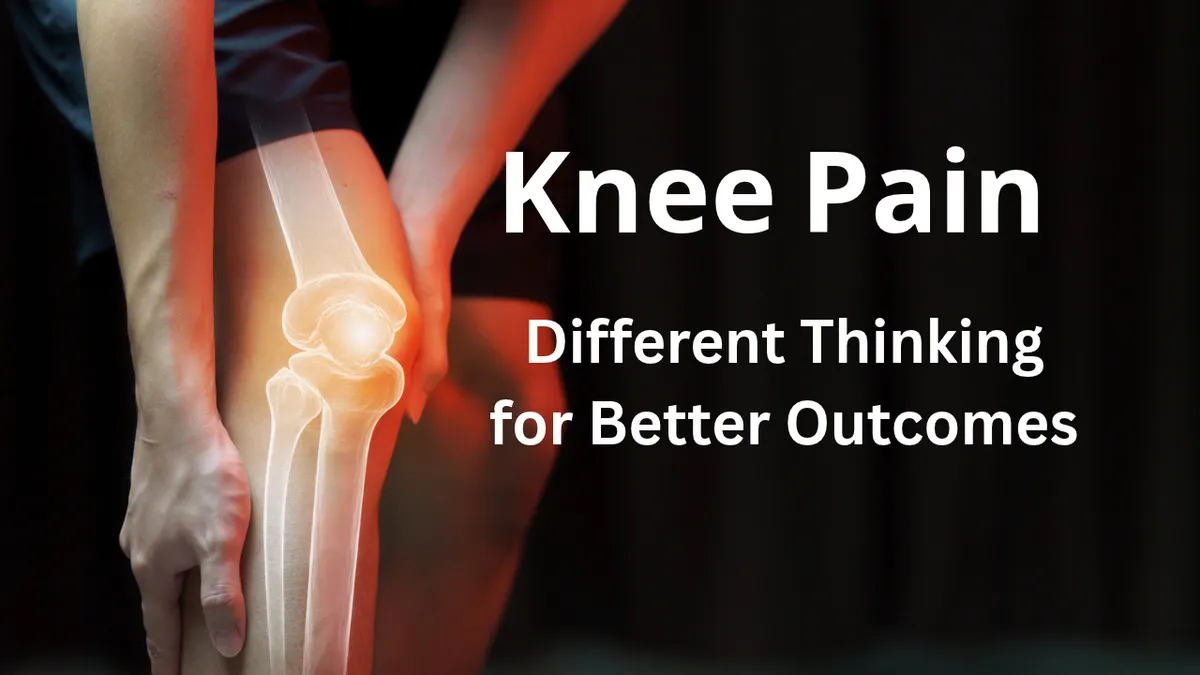
Knee Pain: It's Not Always the Knee
Knee pain doesn't always mean something is wrong inside the joint. We consider how load, movement, muscle function and wider body mechanics influence symptoms, and why treating the painful area alone may miss the point.
£17.50

Spines Don't Collapse, They Negotiate
Are spinal degeneration, poor posture and structural changes really the causes of back pain? Learn how many changes are found in people without symptoms, and how the spine adapts to movement, load and everyday life.
£17.50

Menopause, Pain & Movement
Why do some women experience increased pain, stiffness and changes in movement during menopause? Discover the role of hormonal changes, the evidence behind common explanations and what therapists can usefully do to support their clients.
£17.50
Fascia & Connective Tissue
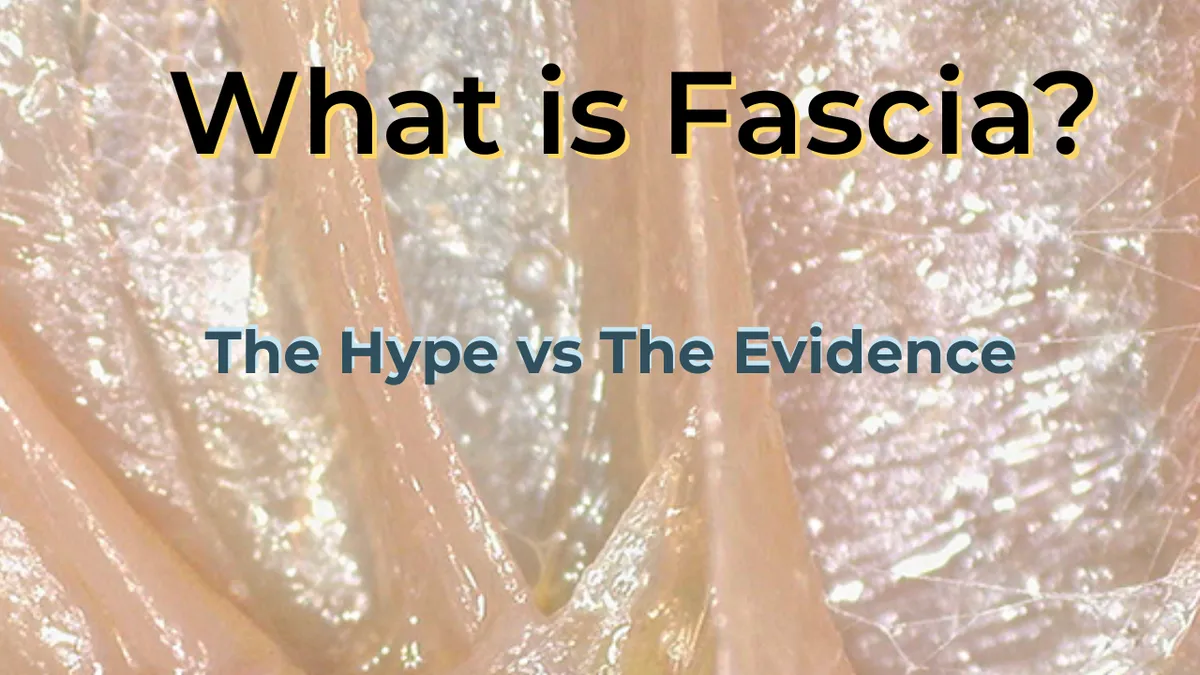
What is Fascia? Tissue, Hype & Evidence
What exactly is fascia, and what does it actually do? Explore the anatomy, examine the evidence behind popular claims about fascial release and discover why understanding the tissue is more useful than believing the hype.
£17.50

Fascia & Load: How Tissues Respond to Force
Fascia doesn't work in isolation, and load isn't simply another word for force. Understand how tissues respond to mechanical demands, distribute forces and adapt over time, without relying on fashionable explanations of fascia.
£17.50

Fascia & the Ageing Body
What happens to connective tissue as we age? From changes in collagen and tissue stiffness to movement and recovery, examine the biology of ageing without assuming that older bodies are inevitably fragile or dysfunctional.
£17.50

Scar Tissue: What Can We Change?
Can hands-on therapy really break down scar tissue or release adhesions? How scars form, what happens during healing, and why changes in pain and movement don't necessarily mean we've altered the tissue itself or 'released' anything.
£17.50
Movement & Muscles
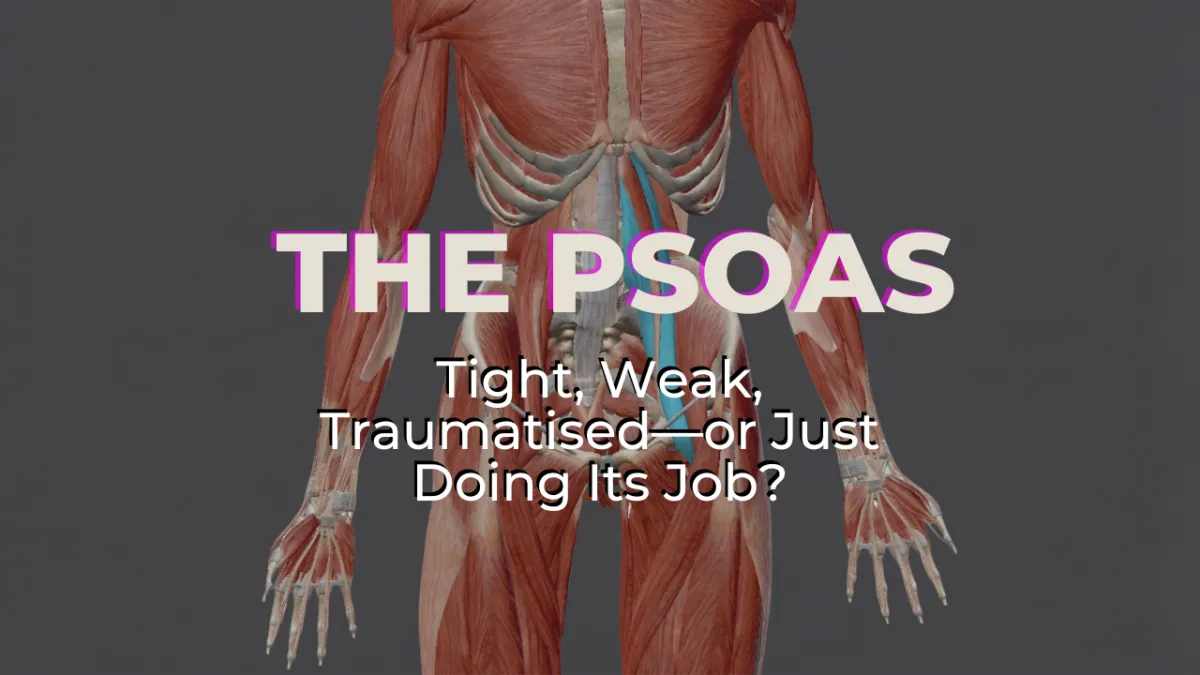
The Psoas: Tight, Weak or Traumatised?
Is the psoas really responsible for back pain, poor posture and stored trauma? Explore the anatomy, examine the evidence and challenge some familiar assumptions about this much-misunderstood muscle.
£17.50
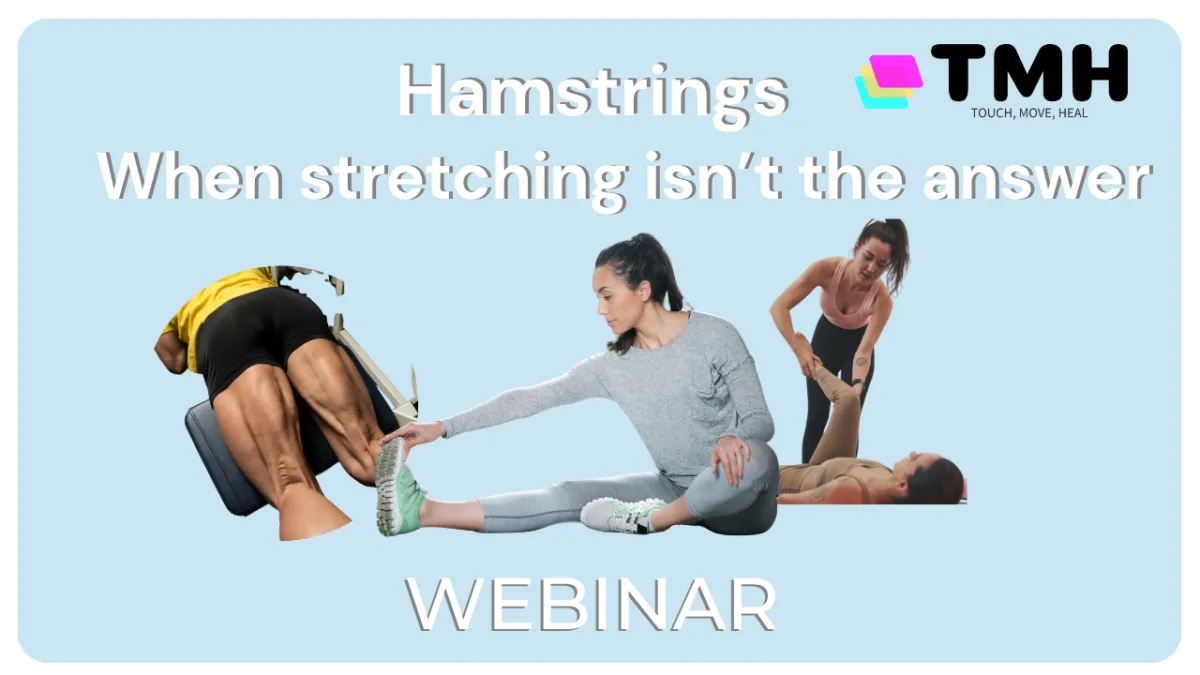
Hamstrings and Stretching.What's Happening?
Are tight hamstrings actually short, stiff or simply less tolerant of stretch? We discuss the physiology around what stretching really changes, and why greater flexibility doesn't necessarily mean better movement or function.
£17.50
Stretching: What's Really Happening?
Stretch a muscle and you can often move further But what has actually changed? Muscle length, stretch tolerance or something else? A critical look at the science of stretching and what it means in practice.
£17.50
Hip Stability: Local or Systemic?
Is hip stability really about strengthening individual muscles? Discover how balance, coordination and movement strategies influence hip function, why weakness isn't always the problem, and what therapists might be missing when assessing movement and pain.
£17.50

Muscle Growth & the
Micro-Trauma Myth
Does exercise really build muscle by causing tiny tears that need repairing? The evidence tells a more interesting story. Understand how muscles adapt to loading, what drives hypertrophy and why damage isn't essential for growth.
£17.50
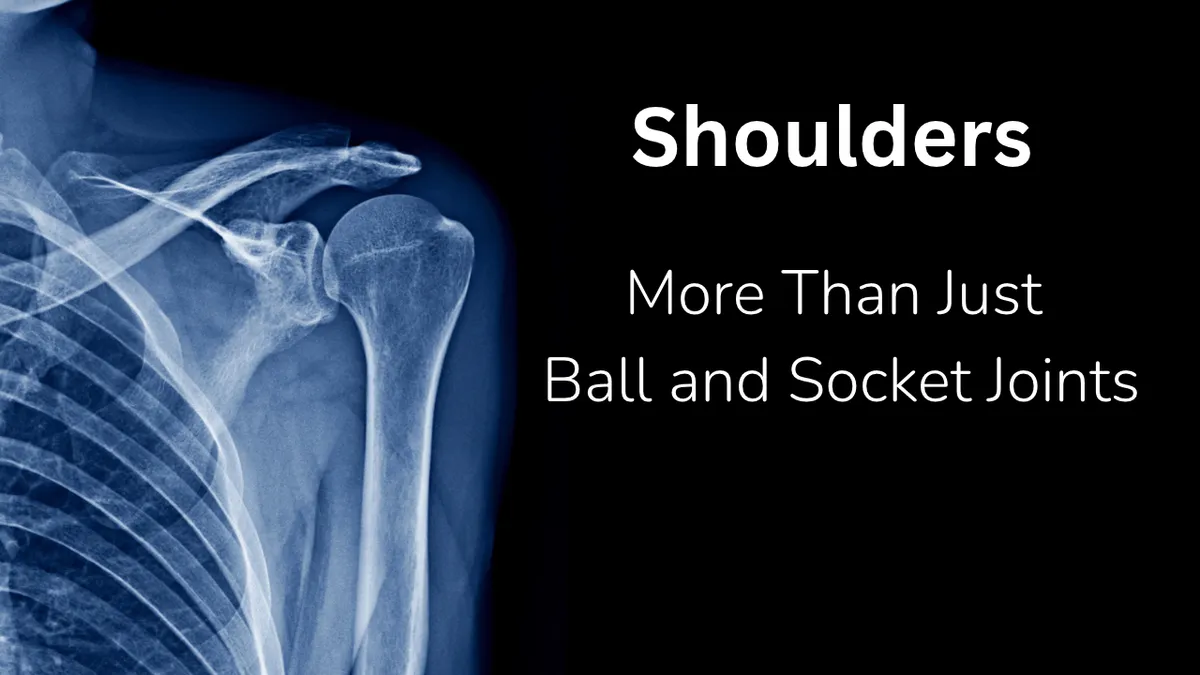
Shoulders Aren't Just Ball-and-Socket Joints
Is the shoulder really as simple as a ball moving in a socket? Explore the anatomical, relationship between the scapula and humerus, and why structural findings don't always explain shoulder pain or movement limitations.
£17.50
Clinical Practice & Evidence

Why Clients Don't Do Their Exercises
You give someone exercises, and next week they've done nothing. Why? We consider the psychology of behaviour, memory, motivation and the practical changes that might help clients actually follow advice.
£17.50
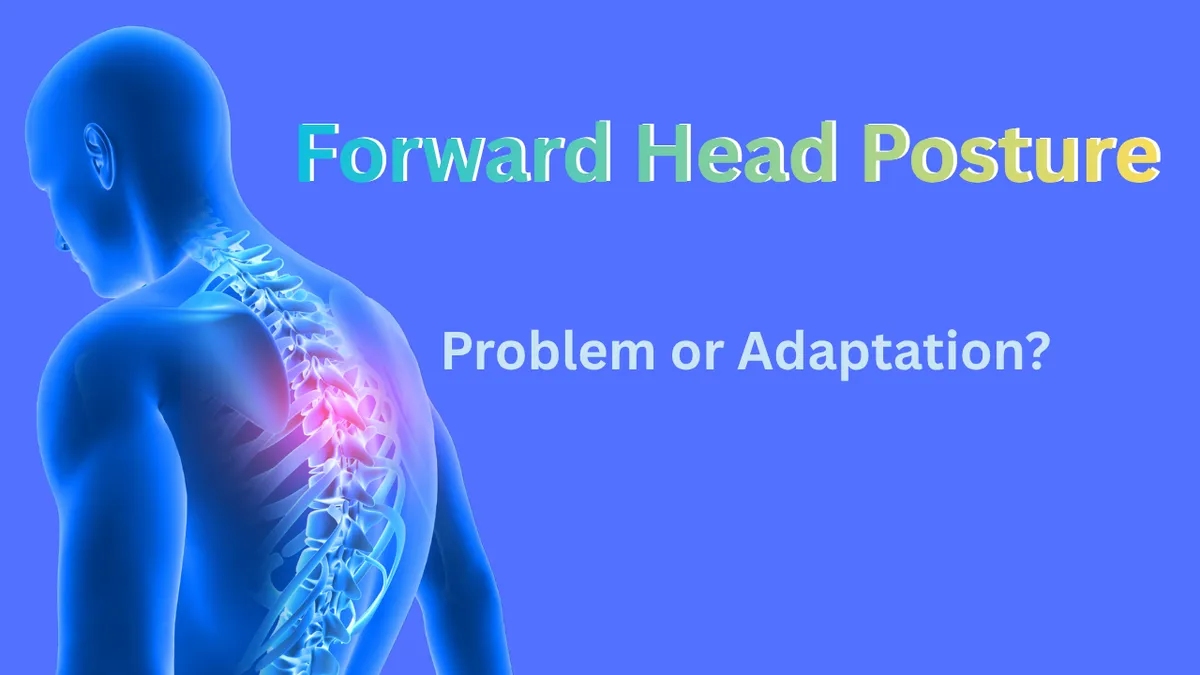
Forward Head Posture: Problem or Adaptation?
Is forward head posture really a cause of neck pain, or simply one way the body adapts? We question familiar ideas about alignment, muscle balance and whether correcting posture actually improves pain or function
£17.50

Does Pressure Matter?
Deep vs Light Touch
Does pressing harder actually produce a better result? What really happens when we apply pressure to the body, and how much does intensity influence response? We look at receptors and sensation.
£17.50

GLP-1 Weight-Loss Injections:
Beyond the Weight Loss
Weight-loss drugs can produce remarkable results. Here we consider their effects on appetite, muscle mass, movement and behaviour, and questions we should be asking.
£17.50
Why Buy One Webinar When You Can Access Them All?
For just £12.50 a month, get access to this growing collection of anatomy, pain and movement webinars, all with research papers available to download.
Watch what interests you, revisit topics whenever you like, and enjoy new additions throughout the year.
No long-term commitment. Cancel whenever you wish.
READ SOME REVIEWS
Don't just take our word for it...
"To 'see' the soft tissue we as therapists think we influence is a privilege. Julian Baker makes all the right connections between the 'tissue' and considerations for therapeutic intervention. Functional Anatomy is a must for all 'hands on' therapists. It is also a must for the 'hands off' body of therapists! Seeing is believing.."
"Captivating, often bizarre and incredible insights into the human body like you have never seen before. Always life changing sessions, questioning the “norm” as we are taught it and bringing new dimensions to your practise.
If you attend one of Julian's classes your working brain will be changed forever - for the better and you will only want to see more!! His humour is also legendary!!"
"I have just participated in the scar tissue dissection course. This is an incredible lesson in anatomy. Julian takes you on a journey thru a human body like you've never been before. It is amazing to see how a human body is really built, how strong, how resilient. Eye-opening and educating. Thank you.
I will be back for more."
Site: www.touchmoveheal.com
Email: [email protected]

Touch Move Heal All rights reserved